For millions of people, allergies are more than a seasonal inconvenience. They are a year-round struggle marked by sneezing, congestion, itchy eyes, coughing, and fatigue. While many allergy sufferers focus on outdoor triggers such as pollen and pollution, the indoor environment often plays an even larger role in persistent symptoms. One of the most overlooked contributors to poor indoor air quality is the air duct system. Hidden behind walls and ceilings, ductwork quietly circulates air throughout a home or building, carrying with it whatever particles are trapped inside. Professional Air Duct Cleaning Utah can significantly reduce these contaminants and deliver benefits that go far beyond simple cleanliness.
Understanding how air ducts affect indoor air quality is the first step toward recognizing why professional cleaning matters. Heating and cooling systems continuously draw air in, condition it, and redistribute it through supply vents. Over time, dust, pet dander, mold spores, pollen, and other airborne particles accumulate inside the ductwork. When the system runs, these particles can be dislodged and recirculated into living spaces. For allergy sufferers, even small amounts of allergens can trigger noticeable symptoms. This is why air duct cleaning is not merely a maintenance task but a proactive health measure.
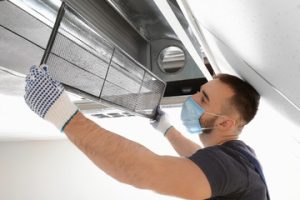
One of the most immediate and tangible benefits of professional air duct cleaning is the reduction of airborne allergens. Dust mites, pet dander, pollen, and mold spores frequently settle in duct systems. When HVAC systems operate, these irritants are redistributed throughout the property. Professional technicians use specialized equipment, such as high-powered vacuums and agitation tools, to dislodge and remove debris from the entire duct network. This process helps eliminate accumulated contaminants at the source, rather than just addressing surface dust on furniture and floors. For individuals with allergic rhinitis or asthma, this reduction in allergen load can result in fewer flare-ups and improved respiratory comfort.
Another hidden benefit lies in improved airflow and system efficiency. When dust and debris accumulate in ducts, they can restrict airflow. Restricted airflow forces the HVAC system to work harder to maintain desired temperatures, which may lead to uneven heating or cooling and increased energy consumption. Clean ducts allow air to circulate more freely, supporting consistent indoor temperatures and potentially lowering energy bills. While the primary motivation for allergy sufferers may be symptom relief, the added benefit of improved HVAC performance is a practical advantage that should not be overlooked.
Professional air duct cleaning also addresses issues that are not immediately visible but can significantly impact health. Mold growth, for instance, can occur in ductwork if moisture is present. Condensation within HVAC systems creates an environment where mold spores can thrive. When mold spores enter the air stream, they can exacerbate allergy symptoms and cause respiratory irritation. Certified technicians are trained to identify signs of mold contamination and use appropriate cleaning methods to remove it safely. By addressing microbial growth in ducts, homeowners can reduce a major indoor allergen often overlooked.
In addition to reducing allergens and mold, professional air duct cleaning contributes to a cleaner overall living environment. Even diligent cleaning routines cannot fully address airborne particles that originate from within the duct system. After professional cleaning, many occupants notice that dust accumulation on surfaces decreases. This is because fewer particles are being circulated and deposited throughout the space. For allergy sufferers, this translates into a more manageable environment where daily cleaning efforts are more effective, and symptoms are less likely to be triggered by residual dust.
The benefits of professional air duct cleaning for allergy sufferers can be summarized in several key ways:
- It reduces the concentration of airborne allergens by removing built-up debris from the duct system.
- It helps improve airflow and HVAC efficiency, supporting better temperature control and energy savings.
- It addresses hidden contaminants such as mold spores that can aggravate respiratory conditions.
These advantages combine to create a healthier indoor environment that supports long-term well-being.
Another often overlooked benefit is the impact on sleep quality. Allergy symptoms frequently worsen at night, leading to disrupted sleep patterns. Congestion, coughing, and sinus pressure can make it difficult to fall and stay asleep. Since bedrooms are directly connected to the same duct system as the rest of the property, contaminated ducts can continuously introduce allergens into sleeping areas. After professional cleaning, many allergy sufferers report more restful sleep due to reduced nighttime exposure to irritants. Improved sleep quality not only enhances daily comfort but also supports immune function and overall health.
Professional air duct cleaning can also play a role in protecting vulnerable household members. Children, older adults, and individuals with compromised immune systems are particularly sensitive to indoor air pollutants. For families with pets, pet dander can accumulate quickly in ductwork, intensifying allergy symptoms. Cleaning the duct system removes a significant reservoir of these particles, helping to create a safer environment for everyone. While air purifiers and high-efficiency filters can help capture airborne particles, they do not eliminate the buildup already present inside the ducts. Comprehensive cleaning addresses the root of the problem.
Another hidden advantage involves odor reduction. Musty or stale odors often originate from accumulated debris, mold growth, or even pest activity within ductwork. These odors can be subtle yet persistent, contributing to discomfort and the perception of poor air quality. Professional cleaning removes the organic material that causes such smells, resulting in fresher indoor air. For allergy sufferers, eliminating these irritants and odors contributes to an overall sense of relief and comfort in their living space.
When considering air duct cleaning, it is important to recognize that professional services differ significantly from basic maintenance. Certified technicians follow established industry standards and use specialized tools designed to clean the entire system, including supply and return ducts, registers, and associated components. This comprehensive approach ensures that contaminants are thoroughly removed rather than simply redistributed. Attempting to clean ducts without proper equipment can be ineffective and may even release more dust into the air.
The long-term benefits of professional air duct cleaning extend beyond immediate symptom relief. Over time, reduced exposure to allergens can help minimize chronic inflammation in the respiratory tract. Chronic inflammation is often linked to ongoing allergy symptoms and increased sensitivity to triggers. By lowering the baseline level of indoor allergens, individuals may find that they react less severely to environmental changes. While air duct cleaning is not a cure for allergies, it is a strategic step in a broader indoor air quality management plan.
For those evaluating whether professional air duct cleaning is worthwhile, certain indicators suggest it may be particularly beneficial:
- Persistent allergy symptoms that worsen indoors or during HVAC operation.
- Visible dust buildup around vents or a noticeable increase in dust on surfaces.
- Evidence of moisture issues, musty odors, or suspected mold growth in the system.
Addressing these warning signs promptly can prevent further contamination and improve overall air quality.
It is also worth noting that air duct cleaning complements other indoor air quality strategies. Regular filter replacement, humidity control, and proper ventilation all contribute to a healthier indoor environment. However, if ducts are heavily contaminated, these measures may not be sufficient on their own. Professional cleaning acts as a reset for the HVAC system, creating a cleaner foundation upon which other air quality improvements can build.
Cost is often a consideration for homeowners and property managers. While professional air duct cleaning represents an investment, the potential savings in energy efficiency and reduced strain on the HVAC system can offset part of the expense over time. More importantly, the health benefits for allergy sufferers may outweigh financial concerns. Reduced medical visits, fewer allergy medications, and improved quality of life are valuable outcomes that cannot always be quantified in monetary terms.
In commercial settings, the benefits are similarly significant. Employees who suffer from allergies may experience decreased productivity due to discomfort and fatigue. Cleaner air ducts can contribute to improved indoor air quality, which supports employee wellness and performance. In shared environments, maintaining clean duct systems demonstrates a commitment to occupant health and safety.
Ultimately, professional air duct cleaning offers a range of hidden benefits for allergy sufferers. Removing accumulated dust, allergens, and potential mold growth from the HVAC system, it addresses a major source of indoor air pollution that often goes unnoticed. The result is cleaner air, improved system performance, and a more comfortable living or working environment. For individuals who have tried various remedies with limited success, evaluating the condition of their air duct system may reveal an overlooked opportunity for relief.
Allergy management requires a comprehensive approach, and indoor air quality should be a central component of that strategy. Professional air duct cleaning is not just about maintaining mechanical systems; it is about creating an environment that supports respiratory health and overall well-being. For allergy sufferers seeking lasting improvement, investing in cleaner ducts may prove to be a transformative step toward a healthier, more comfortable indoor life.
